
Freehold vs Leasehold in Phuket:A Complete Guide for Foreign Buyers (2026)
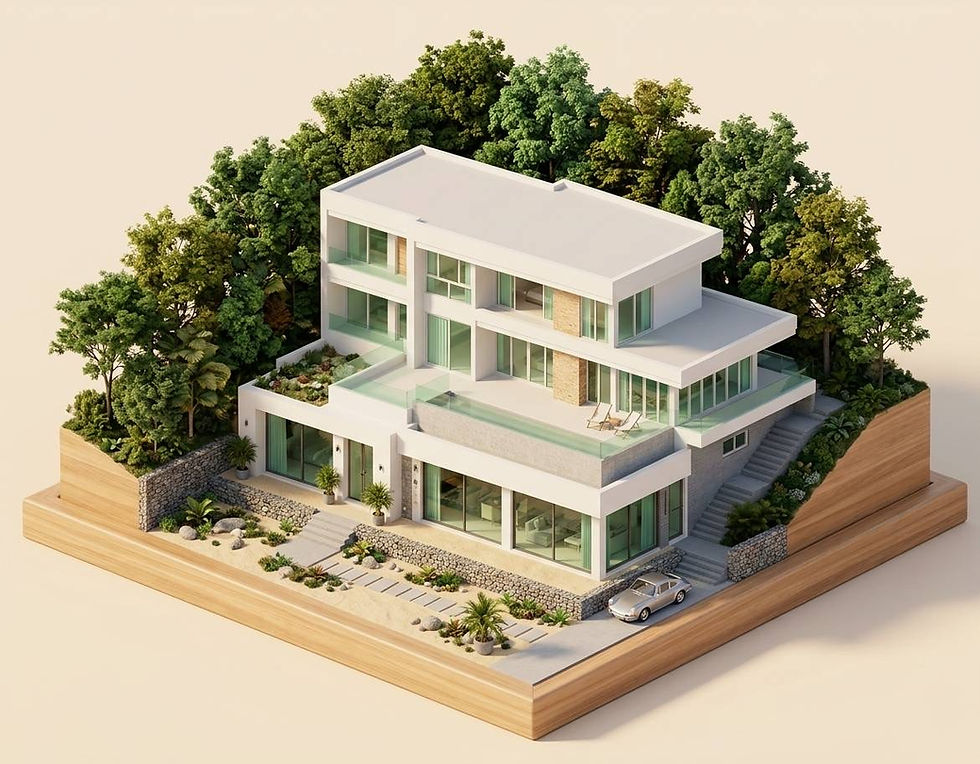
The T Forest Team · The T Forest Blog · June 2026 · 8 min read
If you are considering buying a villa in Phuket, the question of property ownership structure will come up very quickly. What exactly can a foreigner own in Thailand? What is the difference between freehold and leasehold? And which option gives you the most security and flexibility?
These are questions every serious buyer asks — and the answers matter enormously. This guide breaks down both ownership structures clearly, so you can make an informed decision before speaking with a lawyer or developer.
Note: This article is for general information only. Always consult a qualified Thai property lawyer before making any purchase.
Can Foreigners Own Property in Thailand?
The short answer is: yes — but with important limitations.
Thai law does not permit foreign nationals to own land outright in their personal name. The Land Code of Thailand reserves direct land ownership (Chanote title — โฉนดที่ดิน) for Thai citizens and juristic persons with majority Thai shareholding.
However, there are two well-established and legally recognized structures that allow foreign buyers to hold and benefit from property in Thailand: Freehold (through specific structures) and Leasehold. Both are commonly used in Phuket's luxury villa market.
What is Freehold in the Thai Context?
When developers in Phuket refer to "freehold" for villa projects, they typically mean one of two structures:
1. Thai Company Ownership (Company Freehold)
A Thai Limited Company is established, with the foreign buyer holding shares in the company. The company, as a Thai juristic person, owns the land and villa outright. The foreign buyer controls the company and therefore controls the asset.
This structure requires careful legal setup to ensure compliance with Thai Foreign Business Act regulations. It also involves annual accounting, audits, and shareholder meetings. Legal counsel and a trusted accountant are essential.
2. Superficies Right (สิทธิเหนือพื้นดิน)
A Superficies is a registered right that allows a foreign buyer to own the building (villa structure) permanently, while a long-term lease or other arrangement covers the underlying land. The Superficies right is registered at the Land Department and is recorded on the land title deed, providing a strong legal position.
This structure is increasingly used by reputable developers in Phuket and provides a clean, legally transparent arrangement for foreign villa buyers.
What is Leasehold?
Leasehold is a registered long-term lease of the land and/or villa, recorded at the Land Department on the title deed. In Thailand, the maximum lease term that can be registered is 30 years. Reputable developers offer renewal options of 30+30+30 years, giving a total intended tenure of up to 90 years.
Key characteristics of leasehold in Thailand:
• The lease is registered on the Chanote (title deed) — providing legal protection
• Lease rights can be passed to heirs if specified in the lease agreement
• The property can typically be re-leased or sold (assigned) during the lease period
• At the end of the lease term, the land reverts to the landowner unless renewed
• Monthly or annual fees are not required — leasehold is typically a one-time payment
It is important to note that under current Thai law, only the first 30-year term of a lease is guaranteed under statute. Renewal clauses beyond that depend on the contractual agreement with the developer and are not automatically enforceable by law. This is why choosing a reputable developer with a strong legal structure matters greatly.
Freehold vs Leasehold: Key Differences at a Glance
Freehold (Company / Superficies) | Leasehold (30+30+30 Years) | |
Ownership of Land | Via Thai Company or Superficies right | Leased — land reverts after term |
Ownership of Building | Full ownership | Typically included in lease |
Registered on Title Deed | Yes | Yes |
Maximum Term | Indefinite (company) / Permanent (Superficies) | 30 years (renewable) |
Passes to Heirs | Yes (via shares or will) | Yes (if specified in agreement) |
Can Be Sold / Transferred | Yes | Yes (assignment of lease) |
Annual Obligations | Company: accounting, tax filings | None (one-time payment) |
Legal Complexity | Higher — requires lawyer & accountant | Lower — simpler structure |
Typical Purchase Price | Higher (due to company setup costs) | Slightly lower |
Best For | Long-term asset building, estate planning | Straightforward ownership, shorter horizon |
Which Structure is Right for You?
The right choice depends on your personal circumstances, intentions, and financial planning goals. Here is a practical framework:
Choose Freehold (Company / Superficies) if you:
• Plan to hold the property long-term as a permanent residence or investment
• Want to include the asset in your estate for inheritance purposes
• Are comfortable with the additional legal and administrative requirements
• Plan to pass ownership to family members across generations
Choose Leasehold if you:
• Want a simpler, cleaner ownership structure with less ongoing administration
• Are purchasing primarily for lifestyle use over a defined time horizon
• Plan to use the property for 10–30 years and are comfortable with renewal terms
• Are buying as part of a managed rental pool or investment programme
Many buyers in Phuket's luxury villa market choose leasehold for its simplicity and still enjoy full use, privacy, and the ability to sell or transfer their interest during the lease period. Others prefer the freehold route for maximum long-term control.
Neither structure is inherently superior — what matters is that the structure is properly documented, legally registered, and handled by experienced professionals.
Due Diligence: What to Check Before You Buy
Regardless of which structure you choose, these steps are non-negotiable:
• Verify the title deed (Chanote) — ensure it is a full title, not Nor Sor 3 or other lower-grade certificates
• Confirm the developer is the legal owner of the land — not a third-party landowner
• Have a qualified Thai property lawyer (not the developer's lawyer) review all contracts
• Understand what happens at the end of the lease — is renewal a legal obligation or just a promise?
• Check if the lease or superficies is already registered on the title deed
• Understand the Foreign Business Act compliance if using a company structure
The T Forest: Offering Both Freehold and Leasehold
At The T Forest, we offer foreign buyers the flexibility to choose the ownership structure that best fits their needs. Our 28 exclusive hillside pool villas in Pa Klok, Phuket are available under both Freehold and Leasehold arrangements, with full legal documentation registered at the Phuket Land Department.
Our team works with independent legal professionals and can connect buyers with qualified Thai property lawyers to ensure every purchase is handled with complete transparency and security.
If you have questions about ownership structure or would like to arrange a private viewing, we invite you to contact us directly.
Enquire in confidence: info@thetforest.info | +66 64 150 9009
Disclaimer: This article is intended for general information purposes only and does not constitute legal advice. Property law in Thailand is complex and subject to change. The T Forest strongly recommends consulting a qualified Thai property lawyer before entering into any purchase agreement.


Comments